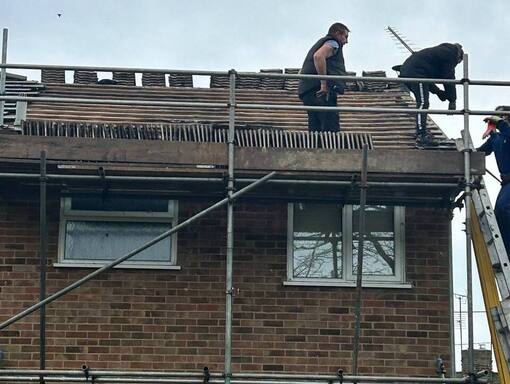
A roof replacement is a substantial project involving several connected stages, from removing the existing covering to preparing the structure and installing the new roofing system. Although professional planning can keep the work progressing efficiently, some conditions only become clear after the project has started.
Understanding the factors that can affect the schedule helps property owners prepare realistically. It also explains why a careful roofing contractor will prioritise correct installation over completing work too quickly.
Common Reasons a Roof Replacement May Take Longer Than Expected
A replacement schedule is normally based on the roof’s size, design, condition and proposed materials. Straightforward projects can progress predictably, but weather, hidden deterioration and complex roof details may require additional time.
Unfavourable Weather Conditions
Roof replacement exposes parts of the building while the old covering is removed and the new system is installed. Heavy rain, strong winds or unsafe surface conditions can therefore interrupt work.
Good roofers monitor the weather and organise the project in manageable sections. Temporary protection may be used where appropriate, but some tasks should only proceed when conditions allow materials to be fitted securely and accurately.
Hidden Damage Beneath the Roof Covering
The visible tiles or slates do not reveal the full condition of the roof. Once they are removed, the contractor may find damaged battens, deteriorated underlay, weakened decking or sections of timber requiring attention.
Ignoring these defects could compromise the new roof. Addressing them before installation continues may extend the schedule, but it provides the sound foundation needed for reliable long-term performance.
More Extensive Deterioration Than Expected
An initial inspection provides valuable information, although not every part of the structure can be examined while the existing covering remains in place. Moisture may have travelled beneath the surface and affected a wider area than external signs suggested.
When deterioration is more extensive than anticipated, the work may need to be adjusted so that all affected areas are dealt with properly.
Complex Roof Shapes and Details
A simple roof generally involves fewer installation stages than one with several valleys, hips, dormers, chimneys or changes in pitch. These junctions require careful measuring, cutting, weatherproofing and finishing.
Additional detailing should not be rushed. Valleys, flashing and roof junctions are particularly important because they direct water away from vulnerable areas.
Chimney and Leadwork Repairs
Replacing a roof often creates an opportunity to assess chimney junctions and leadwork closely. If mortar, flashing or surrounding materials have deteriorated, repairs may be needed before the new covering can be completed.
These details form part of the wider weatherproofing system. Completing them correctly helps prevent weaknesses around the newly installed roof.
Material Availability or Delivery Changes
Roofing materials, fittings and specialist components need to arrive in the correct quantities and specifications. Delivery changes, shortages or damaged items can occasionally affect progress.
Accurate ordering and early preparation reduce this risk. However, a contractor should not substitute unsuitable components simply to maintain the original schedule, as compatibility and correct performance are more important.
Access and Site Restrictions
Safe, practical access affects how efficiently materials can be removed and brought to the working area. Limited space around the property, narrow access points or obstacles close to the building can make handling materials more time-consuming.
A professional contractor will assess these conditions in advance and organise the site accordingly. Even with careful planning, restricted access may affect how quickly each stage can be completed.
Additional Preparation After Removing the Old Roof
The new covering cannot simply be installed over an unsuitable surface. The roof must be checked for level, stability and correct alignment before new materials are fitted.
Preparation may involve replacing battens, repairing decking, correcting uneven areas or improving details around openings and junctions. This work is essential because problems within the supporting layers can affect the appearance and performance of the finished roof.
Changes Needed to Drainage Components
Guttering, fascias and related roofline components must work properly with the new roofing system. If these elements are damaged, poorly aligned or unable to manage water effectively, they may need attention during the project.
Correcting roofline defects can add another stage, but it helps ensure rainwater is directed away from the building after the replacement is complete.
Why Clear Communication Matters
A reliable roofing contractor should explain the expected programme before work begins and provide updates if conditions change. If an unforeseen defect is discovered, the property owner should understand what has been found, why it matters and how it affects the next stage.
Clear communication does not prevent every delay, but it makes the process easier to manage and ensures additional work has a defined purpose.
Should Every Delay Be a Cause for Concern?
Not necessarily. A short delay caused by unsuitable weather or the discovery of concealed deterioration may show that the contractor is taking the correct precautions.
The important distinction is whether the delay has a clear explanation and whether the work continues in an organised manner. Taking the necessary time to prepare and weatherproof the roof correctly is preferable to rushing important details.
Conclusion
Roof replacement delays can result from adverse weather, hidden damage, complex detailing, restricted access, material availability or additional preparation. Many of these factors cannot be confirmed fully until the existing covering has been removed.
Careful planning and professional workmanship help minimise disruption while ensuring each stage is completed correctly. If you are considering a roof replacement in King’s Lynn, Norfolk, contact King’s Lynn Roofing Services to arrange an assessment and discuss the requirements of your property.
Call us on: 01485 506 937
Click here to find out more about King’s Lynn Roofing Services
Click here to complete our contact form and see how we can help with your roofing needs.